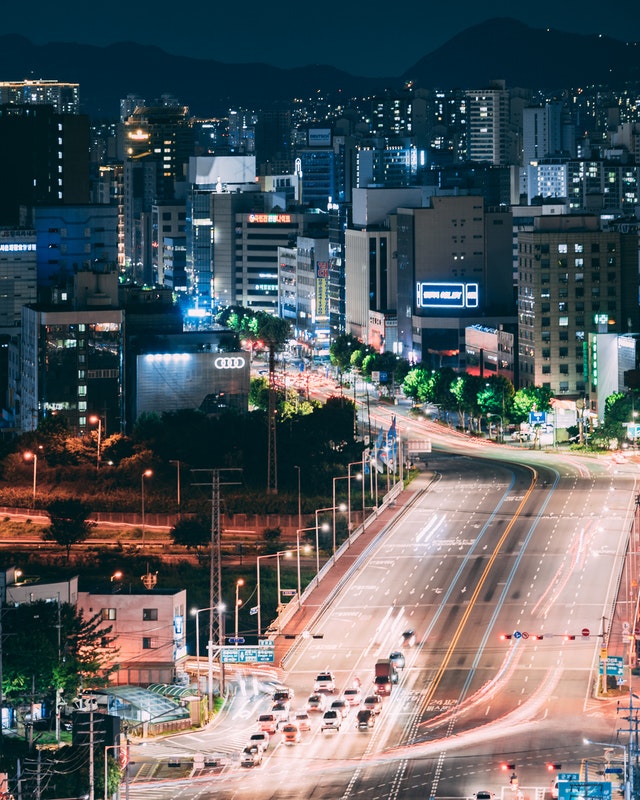
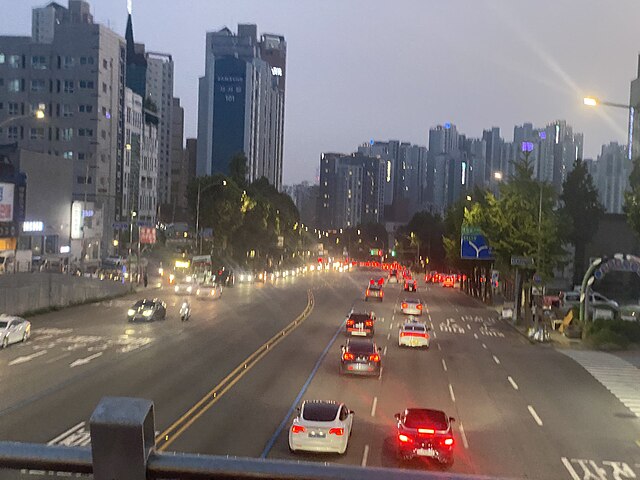
Road transport in and around Seoul is known to be busy, especially during major Korean holidays like Chuseok, when millions of vehicles cause widespread congestion and travel times between cities can exceed six hours. On normal weekdays, traffic flows are significantly better, but central Seoul’s roads are often crowded, particularly during morning and evening rush hours. Despite this, getting around is highly convenient thanks to Seoul’s extensive public transport network—comprising subways, buses, and airport links—which is reliable, affordable, and used by most residents and visitors for efficient travel in the city and suburbs.
Under-ground Railway
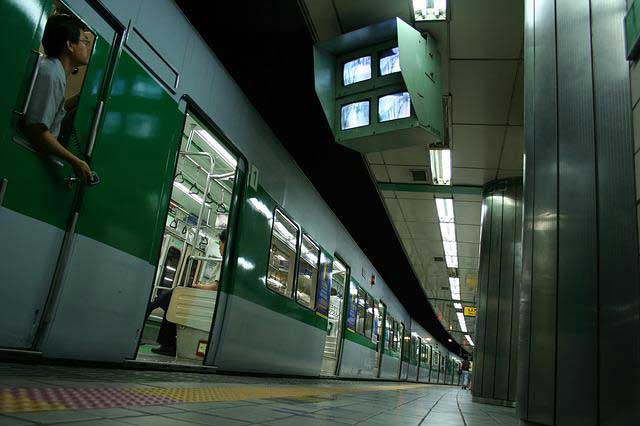
Seoul has an extensive underground rail system. All rail lines are colour coded and stations display signs in multiple languages.
The T-money card is an electronic Smart card which can be used on buses, the underground railway, taxis and some convenience stores. The card is charged with an amount of funds and fare is deducted as the card is used. Discounts are offered for use of the T-Money card on some trips.
Buses
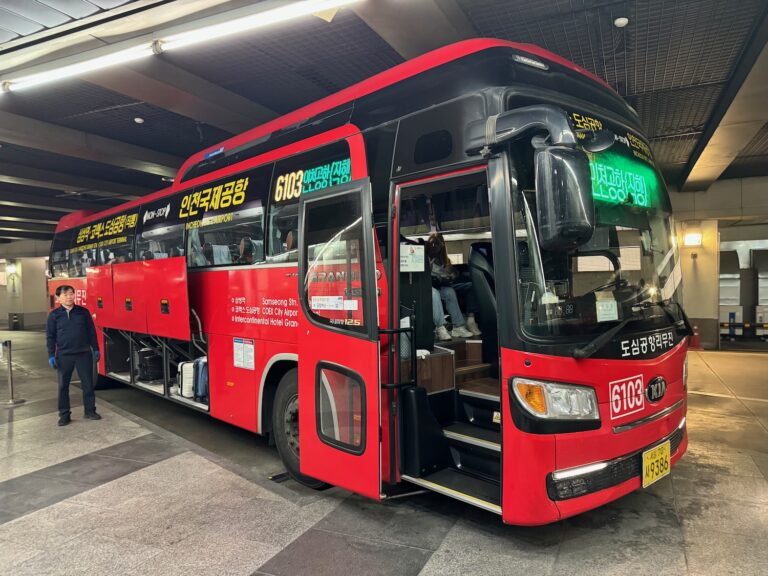
Seoul has an extensive and value-for-money bus system. Some bus stops have information in English, and most buses indicate the destination in English. Generally, the bus drivers do not speak English.
Make sure you hold on really tightly when you go around the corners because Korean bus drivers are fast drivers.
Buy a ‘bus carte 10’ card and ride unlimited distances for 10 bus trips.
Taxis
Seoul has different types of taxis.
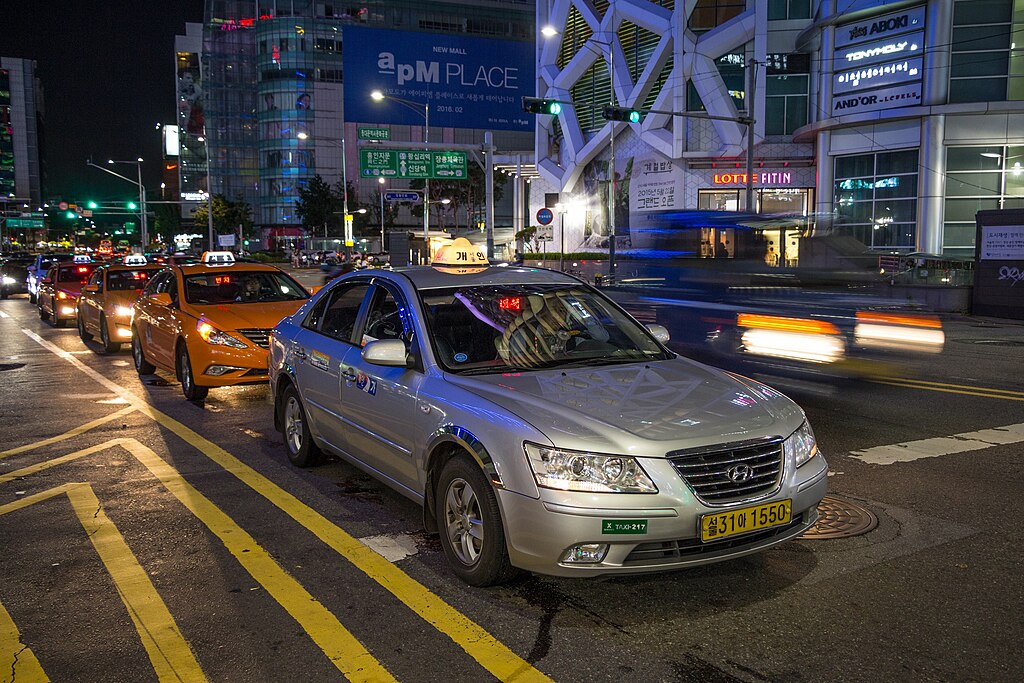
Regular taxis are numerous and usually orange in colour. They offer inexpensive transport around Seoul.
Deluxe taxis are black with a golden stripe. They offer limousine-type transport at a higher rate.
You can also hire Jumbo taxis that can carry up to 8 people.